Virtual Reality has come a long way over the centuries, from imaginative stories and speculative inventions to fully immersive, AI-enhanced experiences. Today, VR is reshaping how we work, design, play, and connect online.
What Is Virtual Reality?
Virtual Reality (VR) refers to computer-generated environments that users can fully immerse themselves into, with specialised equipment such as VR controllers and headsets. By simulating sight, sound, and sometimes touch, VR creates a convincing sense of ‘real’ presence within a digital world. This makes VR a powerful tool for entertainment, education, design and brands to engage audiences.
The History of Virtual Reality
While VR often sounds like futuristic inventions, its origins go back much further than most people realise, well into the early 19th century.
1935: Pygmalion’s Spectacles
Science fiction writer Stanley G. Weinbaum introduced one of the earliest VR concepts in ‘Pygmalion’s Spectacles’. The story’s protagonist wears futuristic goggles that transport him into a fully immersive virtual world called ‘Paracosma’. This story laid the conceptual groundwork for the immersive technologies we see today.
1955-1962: Sensorama and the Telesphere Mask
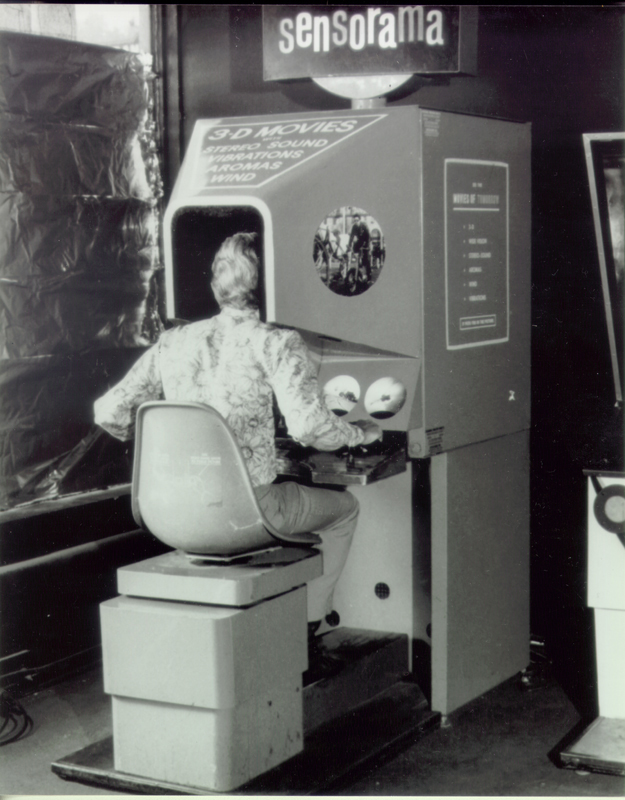
Two decades later, cinematographer Morton Heilig expanded these ideas with the ‘Sensorama’, a large cinema booth, that seated up to four people and delivered a multi-sensory experience. It combined full-colour, 3D visuals, stereo sound, vibrations, effects, and even smells – a true 4D cinema decades ahead of its time.
Heilig also created the ‘Telesphere Mask’, one of the earliest head-mounted displays. Despite their innovation, he struggled to sell them, with businesses viewing them as novelties rather than serious technological breakthroughs.
1965-1968: The Ultimate Display
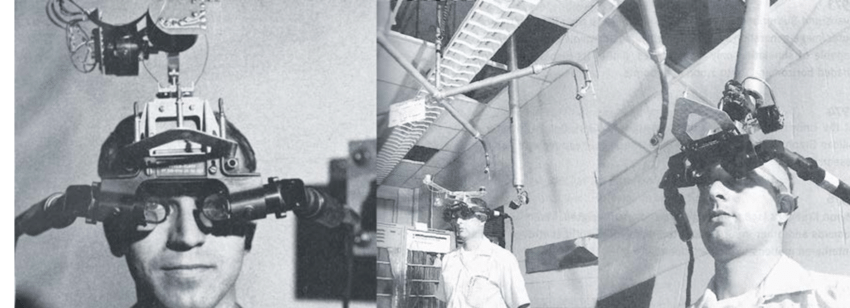
In 1965, computer scientist Ivan Sutherland proposed a computer-powered system in his article, ‘The Ultimate Display’. By 1968, Sutherland and his student, Bob Sproull, brought the vision to life with a head-mount display featuring stereoscopic vision and real-time 3D tracking. The system overlaid computer-generated elements onto the physical world, marking the first instance of Augmented Reality (AR).
Due to headset’s weight, however, it had to be suspended from the ceiling, earning its nickname ‘The Sword of Damocles’ and only remained a lab experiment.
1980s-1990s: VPL Research and VR Gaming
The 1980s saw a surge in VR development. In 1984, Jaron Lanier and Thomas Zimmerman founded ‘VPL Research Inc.’, a company dedicated to create VR technology products, like VR goggles and gloves, and even coining the term ‘Virtual Reality’. Although the company later filed for bankruptcy, their inventions inspired a wave of further VR exploration.
In the 1990s, VR became popular in arcade games, with users wearing helmets and gloves to interact with virtual worlds. Nintendo’s ‘Virtual Boy’ portable console also rose, offering 3D graphics. Sadly, the device was discontinued due to software limitations and uncomfortable hardware. Other devices, like ‘Virtual I/O’s I-Glasses’, where released too, pushing VR technology even further.
2000s-2010s: Google Street View
VR interest dipped in the early 2000s, but Google introduced ‘Street View’ in Google Maps, letting users virtually navigate real-world cities. By 2010, stereoscopic vision allowed for 3D perspectives in Street View with compatible goggles.
2012s-Present: VR Resurgence and AI Integration
The launch of the ‘Oculus Rift’ in 2012 reignited interest in VR. Once Facebook acquired Oculus in 2014, new products like ‘PlayStation VR’, Facebook’s ‘Quest’ headsets and Apple’s ‘Vision Pro’ hit the market. In 2021, Facebook’s rebrand to Meta, introduced the ‘Metaverse’, connecting virtual worlds globally.
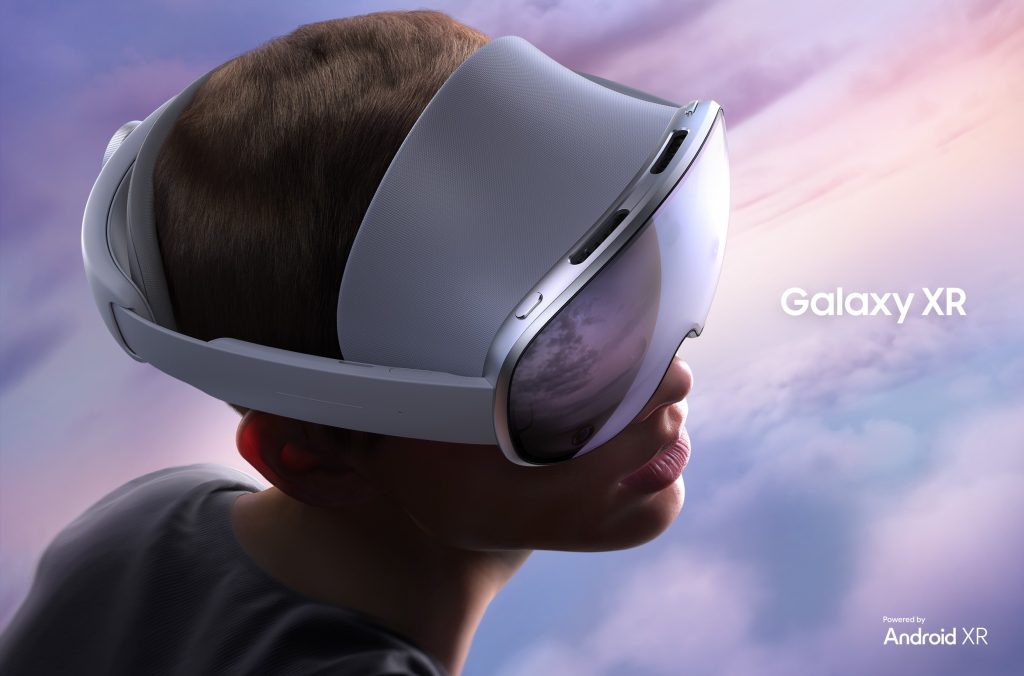
Today, VR is increasingly integrated with AI technologies, such as Samsung’s ‘Galaxy XR headset’, enabling interactive, intelligent, and immersive experiences far beyond gaming and science.
The Future of Virtual Reality
VR continues to transform the way we interact with digital content. From immersive simulations to interactive marketing, the possibilities are endless. Brands can now engage audiences in entirely new ways, improving user experience, engagement, and retention.
At Crowberry Media, we offer expert VR services to help businesses and creators harness the full potential of immersive technology, elevating brands, captivating audiences, and positioning one at the forefront of digital innovation. Contact us today to immersive yourself in our VR services.