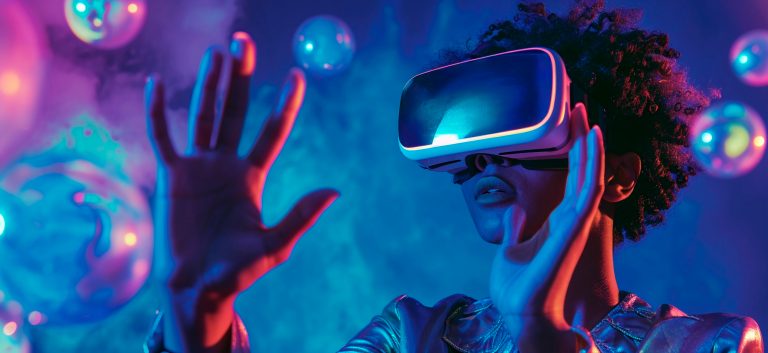
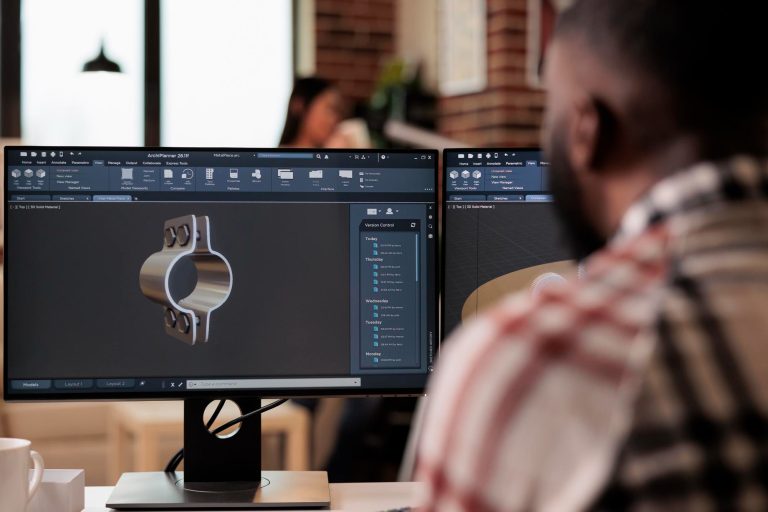
3D elements are becoming increasingly common across modern websites as browsers and design tools evolve. These advancements make digital experiences feel more realistic and immersive. However, introducing 3D should always be considered decision.
The key question is not whether 3D looks impressive, but whether it adds meaningful value to the user experience.
While traditional User Experience (UX) design relied heavily on static layouts and flat visuals, modern users now expect interfaces that feel responsive, engaging and intuitive. Some expectations shaping today’s digital expectations include:
- Natural interactions
- Instant visual feedback
- Easy navigation
- Functional but memorable digital experiences
As these expectations evolve, 3D marketing has become a valuable tool in web design. When applied correctly, 3D elements can make web interactions feel more tangible and responsive, helping users better understand content and navigate digital environments. Rather than serving as decoration, 3D can support usability by helping users better understand content and navigate digital environments.

When Not To use 3D on a Website
While 3D can be a powerful tool in modern web design, it also has its limitations. When used unnecessarily or excessively, 3D can deteriorate a site’s performance, usability and overall health. Understanding when not to use 3D is essential for creating effective digital experiences.
Below are key scenarios where 3D should be avoided or used with caution.
Websites that require Speed
For websites that focus on lead generation, conversions or direct sales, speed is a top priority. 3D models are resource-intensive and consume a lot of power, especially on mobile phones or low-powered devices. This often results in longer load times and reduced responsiveness.
From a Search Engine Optimisation (SEO) perspective, slow-loading pages are a major issue. Users are more likely to abandon a site if content does not load quickly, increasing bounce rates and negatively affecting search performances. In these cases, prioritising speed, clarity, and accessibility will typically deliver better results than impressive 3D visuals.
Sites that require Simple Communication
If a website’s primary goal is to provide information quickly, such as a news platforms, blogs or content-heavy sites, then 3D is often unnecessary. In these cases, clarity and readability should overrule visual complexity.
Excessive 3D animations or graphics can make a site feel cluttered, increasing the risk of ‘cognitive overload’ in users. Rather than supporting the user’s journey, these elements can compete or even distract users from the content, leading to higher drop-off rates.
Sites with Accessibility Considerations
Understanding the target audience is crucial for any design decision. If users rely on mobile devices, slower internet connections or use older hardware, 3D models can significantly degrade a site’s performance and usability.
Websites should also conform to the Web Content Accessibility Guidelines (WCAG) to ensure inclusive experiences for all users. For instance, screen readers cannot interpret visual 3D models without appropriate alternatives. Without fallback content or semantic structure, 3D elements can create barriers for users with visual impairments rather than enhancing accessibility.

The Advantage of Using 3D on Websites
3D can be integrated into websites in various ways, from subtle interface enhancements to more immersive branding and e-commerce experiences. Below are common scenarios where 3D can be most effectively used:
Branding
3D elements can enhance branding by adding depth and dimension to logos, visual assets, and key website features. When used correctly, 3D can create a more modern, distinctive identity and convey a brand’s story, without overwhelming the interface or distracting viewers from core content.
Animation and Interaction
3D animations can enhance interface elements such as buttons, menus, flip cards and transitions. Scroll-based effects and micro-interactions create a sense of depth and responsiveness, making interactions feel more intuitive and engaging, guiding user attention and encouraging longer engagement without compromising on a site’s usability.
Creating Realism
3D enables designers to simulate illusionary depth and perspective, creating spatial distances that can enhance a site’s scrolling experience, making a website feel layered, structured and engaging.
Using lighting, shadows and details can add realism to 3D elements as well, helping them feel grounded within the interface rather than visually detached. These techniques can create a more ‘lifelike’ experience without distracting viewers from the core functionality of the website.

Improving SEO
According to BrightEdge Research, 68% of online experiences start with a search engine, making SEO a crucial consideration in web design.
While 3D elements do not directly influence search rankings, they can positively impact key performance metrics that search engines value. Well-optimised 3D content can increase user engagement, encouraging longer time spent on sites, and reducing drop-off rates, contributing to stronger SEO performance over time.
Additionally, well-executed 3D experiences can help websites stand out within competitive digital spaces, increasing the likelihood of organic backlinks when the experience provides genuine value to users.
Product Visualisation
Product presentation is critical eCommerce, especially when users cannot physically interact with items before purchasing. 3D product models help bridge this gap by offering more interactive alternatives, enhancing the visual presentation of products on sites, over just static photographs.
Through 360-degree rotation and zoom functionality, users can explore products in greater detail. This improves product understanding, builds confident purchases, and supports a high-quality user experience.

The Future of 3D Websites
The evolution of 3D in web design shows no signs of slowing. As browsers and devices continue to advance, immersive experiences are becoming more accessible and performant.
However, effectiveness depends on intention. 3D should always support the user journey and serve a clear purpose. A simple rule applies: if 3D does not improve understanding, reduce friction, or support decision-making, it does not belong.
By treating 3D as a functional design tool rather than a visual trend, websites can strike the right balance between innovation, performance, and usability – creating experiences that are both engaging and effective.
If you’re looking to enhance your website with purposeful 3D, contact Crowberry Media to create immersive web experiences that enhance usability, not complexity.